
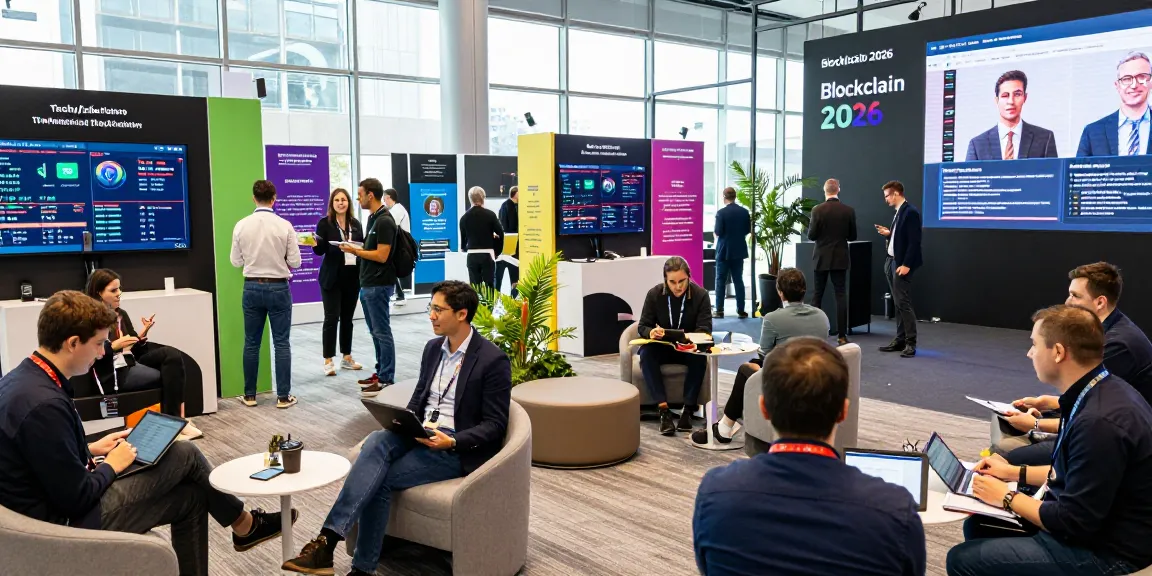
Understanding Blockchain Technology and Its Evolution
Blockchain technology, often heralded as the backbone of cryptocurrencies, is evolving rapidly as we approach 2026. This innovative digital ledger goes beyond its initial use in supporting Bitcoin; it is now transforming multiple industries by enhancing transparency, security, and efficiency. As we delve into the mechanisms and principles of blockchain, we can uncover its historical milestones, particularly the significant developments leading up to 2026. When exploring options, blockchain 2026 will be pivotal in shaping future technologies.
What is Blockchain and Its Core Principles?
At its core, a blockchain is a decentralized digital ledger that records transactions across multiple computers. This decentralization ensures that no single entity has control over the entire chain, making it resistant to fraud and manipulation. The key principles of blockchain technology include:
- Decentralization: Unlike traditional databases owned by a single entity, a blockchain is maintained by a network of nodes.
- Transparency: Changes to data are visible to all participants in the network, promoting accountability.
- Immutability: Once recorded, data cannot be altered without consensus from the network, ensuring data integrity.
- Security: Cryptographic protocols protect data, making unauthorized access exceedingly difficult.
Historical Milestones Leading to 2026
Since the introduction of Bitcoin in 2009, numerous milestones have influenced the development of blockchain technology. Key events include:
- 2013: The introduction of Ethereum, enabling smart contracts and decentralized applications (dApps).
- 2017: The rise of initial coin offerings (ICOs), which brought attention to various blockchain use cases beyond cryptocurrencies.
- 2020: The DeFi boom showcased the potential for blockchain in finance, enabling users to lend, borrow, and earn interest without traditional banks.
- 2022: The integration of NFTs (Non-Fungible Tokens) into mainstream culture spurred a renewed interest in the potential of blockchain technology.
Emerging Trends in Blockchain for 2026
Key Innovations to Watch: NFTs, Smart Contracts, and More
The landscape of blockchain is rapidly expanding, with several innovations anticipated to gain prominence by 2026. Notable trends include:
- Non-Fungible Tokens (NFTs): Beyond art and collectibles, NFTs are expected to revolutionize industries like real estate, gaming, and intellectual property.
- Smart Contracts: These self-executing contracts on the blockchain will automate processes in various sectors, reducing costs and improving efficiency.
- Interoperability: Standards and protocols that allow different blockchains to communicate are becoming crucial for widespread adoption.
How AI Integration is Shaping Blockchain Development
Artificial Intelligence (AI) is playing a transformative role in enhancing blockchain capabilities. By integrating AI, blockchain systems can:
- Analyze large amounts of blockchain data to derive actionable insights.
- Improve security measures through predictive analytics.
- Automate smart contract executions based on real-time data.
The Role of Regulation and Compliance in Blockchain Growth
The regulatory environment surrounding blockchain is evolving, driven by concerns around security, privacy, and financial stability. Key developments include:
- Governments are beginning to deliver clear frameworks, which could foster innovation while protecting consumers.
- Compliance measures such as Know Your Customer (KYC) and Anti-Money Laundering (AML) regulations are becoming standard practices among blockchain projects.
Industry Applications of Blockchain Technology
Blockchain in Finance: Cryptocurrencies and Beyond
Blockchain technology is profoundly impacting the finance sector, marked by the proliferation of cryptocurrencies and blockchain-based financial services. Key applications include:
- Decentralized Exchanges (DEXs): Platforms that allow peer-to-peer trading without intermediaries.
- Stablecoins: Cryptocurrencies pegged to traditional currencies to reduce volatility.
- Cross-Border Payments: Blockchain can streamline cross-border transactions, reducing costs and time.
Healthcare Innovations Through Blockchain Implementation
The healthcare industry stands to benefit significantly from blockchain, particularly in:
- Patient Data Management: Securely sharing patient records between providers while ensuring data privacy.
- Supply Chain Transparency: Tracking pharmaceuticals to prevent counterfeit drugs.
Supply Chain Transparency: A Case Study Approach
Several major companies are already using blockchain to enhance supply chain transparency. For instance:
- Walmart: Uses blockchain to trace the origin of food products, improving food safety.
- IBM: Collaborates with shipping companies to track shipments and enhance accountability.
Challenges and Solutions Facing Blockchain in 2026
Common Misconceptions About Blockchain Technology
Despite its potential, misconceptions about blockchain persist. Some common myths include:
- Blockchain is synonymous with Bitcoin.
- Blockchain is completely anonymous and untraceable.
Scalability Issues and Their Proposed Solutions
Scalability remains a significant challenge for blockchain networks. Solutions under consideration include:
- Layer 2 solutions: Technologies like Lightning Network aim to handle transactions off the main blockchain.
- Sharding: A method of splitting a blockchain network into smaller, manageable pieces to increase transaction speed.
Security Considerations in Blockchain Networks
Security is paramount as blockchain adoption grows. Potential vulnerabilities include:
- Smart contract exploits.
- 51% attacks, where a single entity gains control of the majority of mining power.
Preparing for the Future: Strategies for Businesses
How to Engage in Blockchain Education and Training
As blockchain technology evolves, businesses must prioritize education. This can include:
- Hosting workshops and seminars on blockchain basics.
- Encouraging employees to attend blockchain conferences and courses.
Networking Opportunities: Conferences and Events in 2026
Engagement in industry events will be crucial for networking and staying updated. Notable conferences include:
- Consensus 2026: Draws thousands of attendees to discuss the future of finance and blockchain.
- Blockchain Futurist Conference: Focuses on innovations and trends in blockchain technologies.
Building a Blockchain Strategy for Your Business
Businesses should lay out a clear blockchain strategy to effectively leverage its benefits. Essential steps include:
- Assessing specific use cases relevant to their industry.
- Establishing partnerships with blockchain specialists to develop tailored solutions.
What are the key blockchain conferences in 2026?
Some of the most anticipated blockchain conferences in 2026 include the DC Blockchain Summit, Paris Blockchain Week, and Cornell Blockchain Conference. These events will provide opportunities to learn from industry leaders and discuss the future trajectory of blockchain.
How is blockchain expected to evolve by 2026?
By 2026, we expect to witness significant advancements in blockchain technology, including improved interoperability between different blockchain systems, wider acceptance in global financial systems, and enhanced regulatory clarity.
What industries will benefit most from blockchain in 2026?
Industries such as finance, healthcare, supply chain management, and entertainment are poised to gain the most from blockchain implementations due to their inherent need for transparency and security.
Is blockchain important for businesses in 2026?
Yes, as companies continue to seek efficiency and security in operations, adopting blockchain will be crucial. It can help reduce costs, improve transparency, and foster trust among stakeholders.
How can individuals get involved in blockchain technology?
Individuals can engage with blockchain technology by pursuing educational courses, attending workshops and conferences, participating in local blockchain communities, and exploring opportunities in blockchain startups or projects.